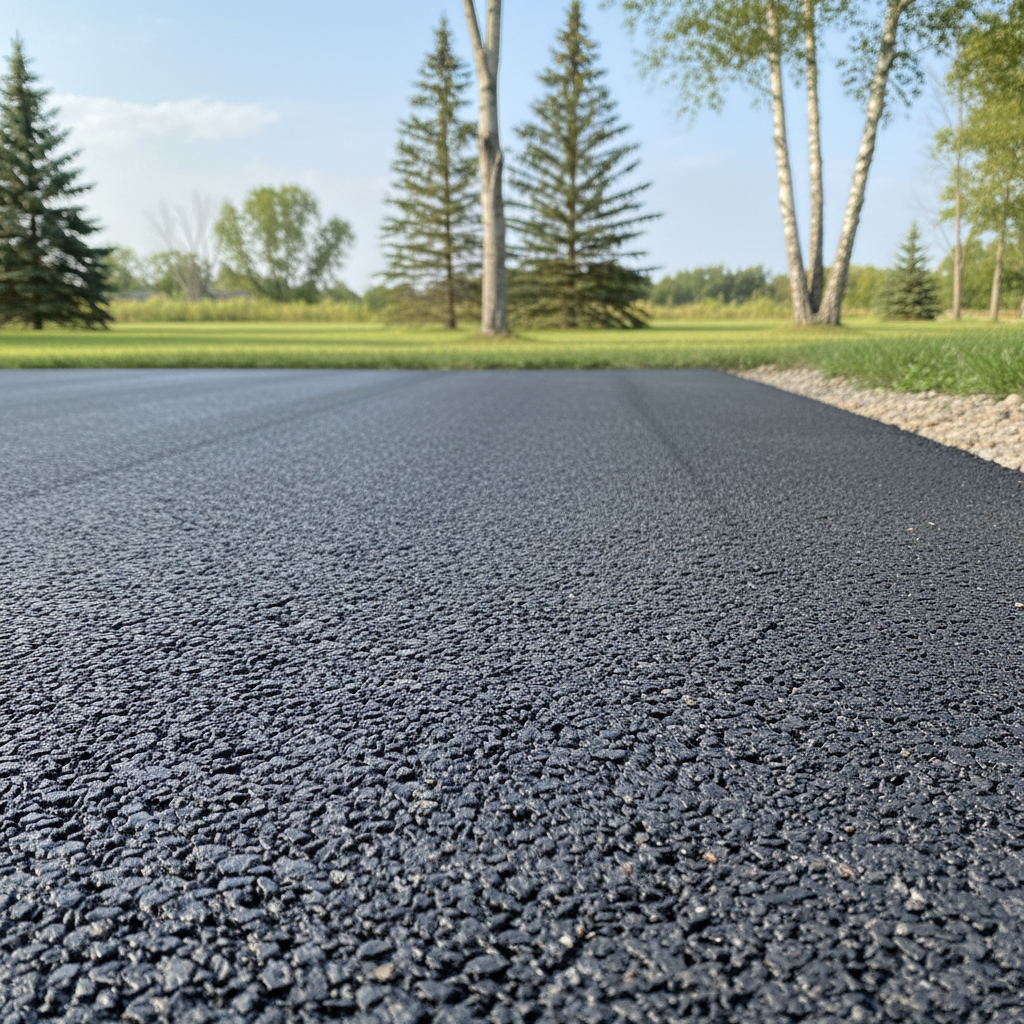
Thinking About a New Parking Pad or Driveway?
So, you're looking at that gravel patch next to your garage, or maybe you've got a muddy spot where you always park the second car, and you're thinking, “It’s time to pave this thing.” Good call. A well-paved parking area isn't just about looking good; it's about keeping your vehicles cleaner, making snow removal a whole lot easier, and adding real value to your home. But before you grab a shovel and a bag of asphalt patch, let's talk about what's involved.
Before You Even Think About Paving
This is where most of the homeowner DIY work can happen, and it's critical. The foundation of your parking area is everything. Skimp here, and you'll be patching cracks and dealing with puddles faster than you can say “frost heave.”
- Planning & Permits: First, figure out exactly where this new pad is going. Check your property lines. In Duluth, especially if you're close to a neighbor or a public right-of-way, you might need a permit. Don't skip this. A quick call to the city's planning department can save you a huge headache later.
- Drainage is Key: This is non-negotiable, especially with our heavy spring thaws and lake-effect snow. You need to make sure water will shed off your new paved surface and away from your house, garage, and any neighboring properties. You want a minimum slope of 2% (that's about 1/4 inch drop per foot). You can do this yourself with stakes, string, and a line level. If water pools, it'll undermine your pavement, guaranteed.
- Excavation & Base Prep (DIY with caution): This is where you decide if you're really up for it. You'll need to dig out the existing material – grass, dirt, old gravel – to a depth of 8 to 12 inches, depending on how heavy the traffic will be. For a typical residential parking pad, 8 inches is usually fine. You can rent a small excavator or bobcat for a weekend, but be careful. Digging up utilities is a real possibility. Once excavated, you need to lay down a good base of crushed aggregate, usually Class 5 gravel. This needs to be spread evenly and compacted in layers. A plate compactor rental is a must. This part is back-breaking work, and if it's not done right, your pavement will fail. This is often where homeowners realize it's time to call in a pro like Fortune Asphalt Duluth.
During the Paving Process: Leave it to the Pros
Here's the deal: laying asphalt or concrete for a parking lot isn't a DIY job for homeowners. Period. Unless you own heavy equipment, have a crew, and know exactly what you're doing, you're going to end up with a mess, a huge expense, and a surface that won't last. Hot asphalt needs to be laid at specific temperatures, spread quickly, and compacted with heavy rollers. Concrete needs proper mixing, pouring, finishing, and curing techniques to prevent cracking and ensure durability.
When you hire a professional, they'll handle:
- Material Delivery: Getting tons of hot asphalt or ready-mix concrete to your property.
- Laying & Spreading: Using specialized equipment to spread the material evenly and to the correct thickness.
- Compaction & Finishing: Ensuring the surface is properly compacted, smooth, and sloped for drainage. This is where the magic happens for a long-lasting, smooth surface.
- Expertise: They know how to deal with things like the clay soils we often find in Duluth, ensuring the base is stable and the pavement won't shift.
Seriously, this is where you call us. We've seen plenty of DIY attempts that end up costing more to fix than if the homeowner had just called us in the first place.
After the Pavement is Down: Maintenance You Can Do
Once your beautiful new parking pad is in, there are things you can do to keep it looking good and lasting longer.
- Curing Time: For asphalt, stay off it for at least 24-48 hours, sometimes longer in cooler weather. For concrete, it's usually 7 days before light traffic and 28 days for full strength. Your contractor will give you specific instructions.
- Keep it Clean: Sweep off dirt, leaves, and debris regularly. This prevents organic matter from breaking down on the surface and causing issues.
- Sealcoating (Asphalt Only): For asphalt, sealcoating every 2-3 years is a great way to protect it from UV rays, water, and oil spills. You can buy sealcoat at hardware stores and apply it yourself with a squeegee or roller. Make sure the surface is clean and dry first. It's a messy job, but totally doable for a homeowner.
- Crack Repair: Small cracks will eventually appear. Fill them promptly with asphalt crack filler (for asphalt) or concrete caulk (for concrete). Don't let water get into those cracks and freeze – that's how small problems become big potholes.
- Avoid Heavy Loads & Sharp Turns: Try not to park heavy equipment or RVs on your new pavement for extended periods, especially when it's new or during hot weather. Avoid sharp turns with your steering wheel while the vehicle is stationary, as this can scuff and damage the surface.
A new parking area is a big investment, but with the right prep and professional installation, it'll serve you well for decades. Don't hesitate to reach out to Fortune Asphalt Duluth if you've got questions or are ready for a quote. We're here to help you get it right the first time.